What is Yellow Sticky Trap? Understanding its Global Role and Real Benefits
In today’s interconnected world, the battle against pests continues quietly but relentlessly. One surprisingly simple, yet powerful tool is the yellow sticky trap. But what is yellow sticky trap, really? Why has it gained such global traction in agriculture, environmental monitoring, and even public health? In a nutshell, these vibrant yellow cards coated with adhesive attract and capture flying insects — helping monitor infestations and reduce pesticide use. If you think about how much food production depends on pest control worldwide, understanding this little device’s role suddenly feels pretty crucial.
Introduction: The Global Context of Yellow Sticky Traps
Pest control is a global challenge, especially when you consider Food and Agriculture Organization (FAO) data reporting that roughly 20-40% of global crop yields are lost yearly to pests. This threatens food security, farmer livelihoods, and ecosystems. Pesticides are the conventional hammer, but their overuse sparks environmental and health concerns. Enter yellow sticky traps, a kind of frontline scout and non-toxic control method. They provide key data for integrated pest management (IPM) strategies endorsed by international bodies such as the ISO and the US EPA. Frankly, they’re cheap, real-time, and pesticide-free — readily deployed in rural farms and urban green spaces alike.
Oddly enough, these sticky traps’ impact goes beyond just pest management: they help reduce chemical residues, protect pollinators, and support sustainable agriculture globally.
Definition & Meaning: What Is a Yellow Sticky Trap?
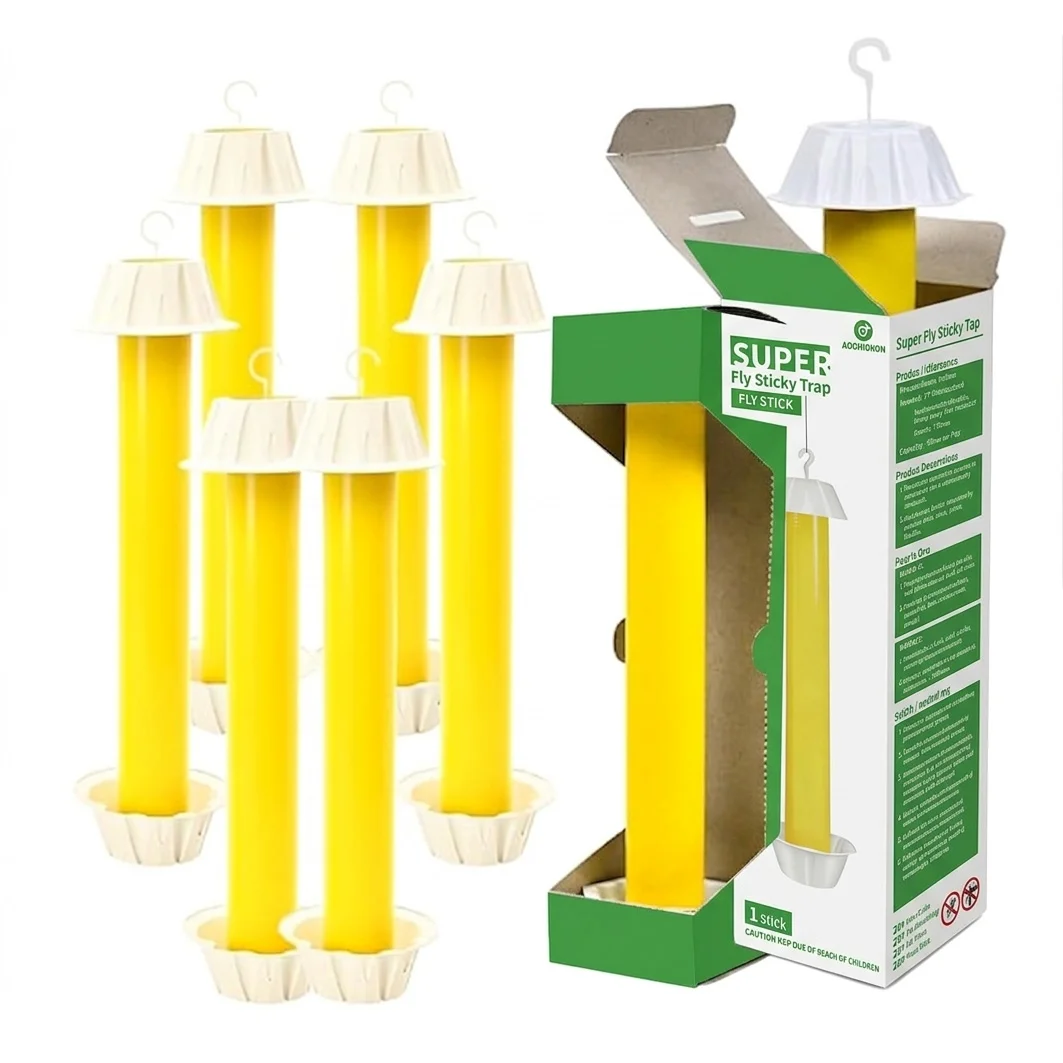
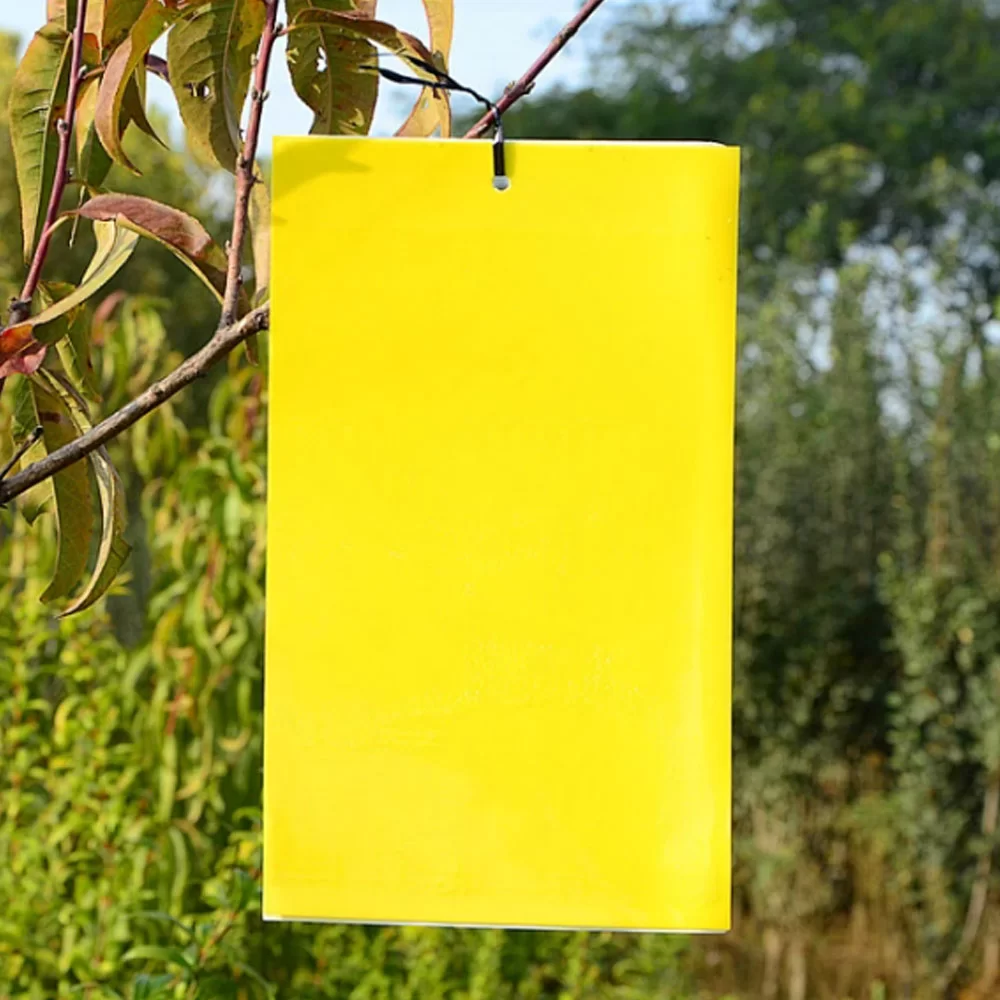
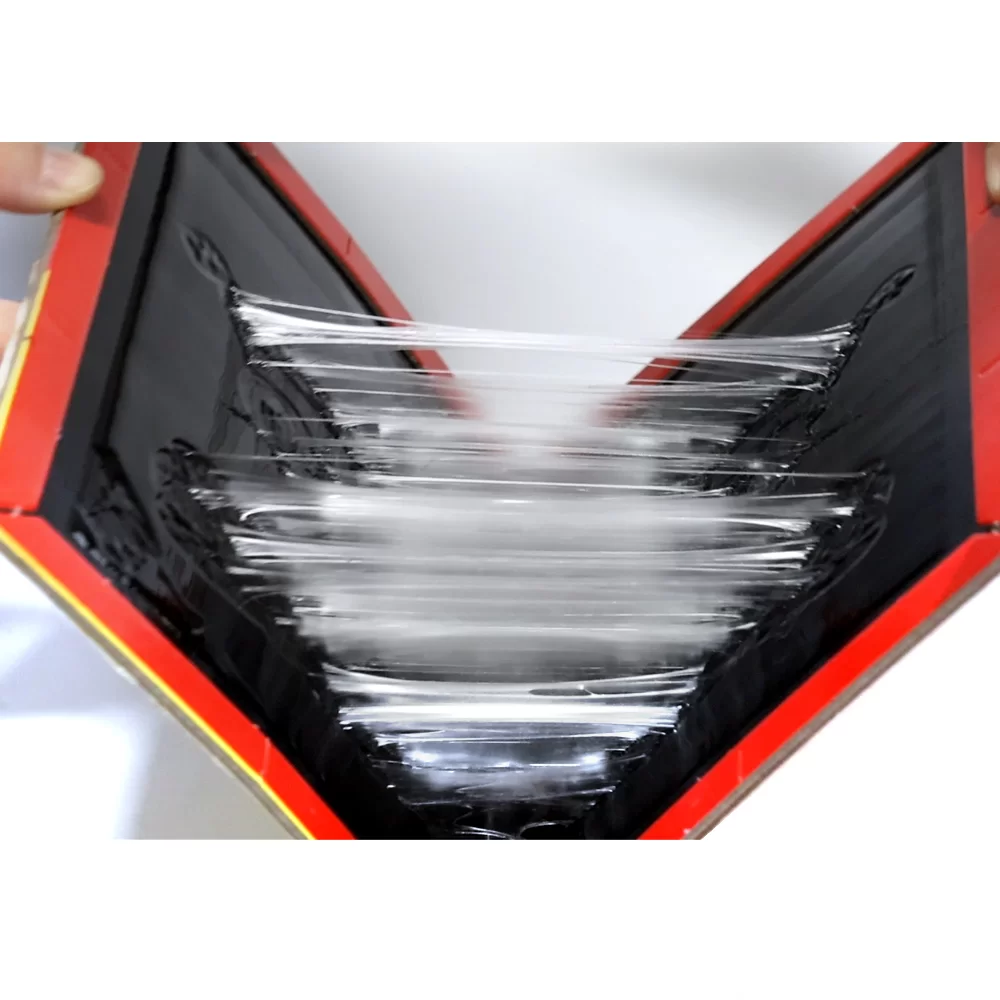
At its core, a yellow sticky trap is a lightweight, card-sized panel, typically bright yellow because that specific color proves very attractive to many flying insects — thrips, aphids, whiteflies, and so on. These cards are coated with a non-drying adhesive that catches the insects on contact. Unlike poisons or sprays, they function passively, offering a snapshot of pest populations rather than direct extermination.
This simplicity belies a crucial link between technology and ecology, merging plant protection with environmental stewardship. You might say yellow sticky traps embody the idea that good monitoring leads to better pest decisions. This is especially important in humanitarian food programs or precision agriculture, where sustainable pest control makes a direct social and economic difference.
Key Components of Effective Yellow Sticky Traps
Color and Attractiveness
The signature yellow isn’t arbitrary — studies confirm flying pests respond more strongly to specific yellow wavelengths. This ensures the trap’s efficacy without lures or chemicals.
Adhesive Quality
The sticky layer must be tacky enough to hold insects yet durable across environmental conditions. It should resist dust and humidity well, maintaining efficiency for weeks in field conditions.
Durability and Weather Resistance
Sticky traps often face sun, rain, and wind. Quality products use UV-resistant coatings and weatherproof materials to last. This improves monitoring consistency over time.
Size and Shape
Trap dimensions vary but are designed to optimize visibility and practicality. Usually rectangular or square cards 10–20 cm in size, easy to place among leaves or stakes.
Ease of Disposal and Environmental Safety
Since traps are disposable, many manufacturers prioritize biodegradable materials or recyclability to minimize environmental impact.
Typical Product Specifications of Yellow Sticky Traps
| Feature |
Specification |
| Color |
Bright Yellow (approx. 580-590 nm) |
| Size |
10 cm x 20 cm (common) |
| Adhesive Type |
Non-toxic, water-resistant tacky glue |
| Durability |
UV and weather resistant, 3-6 weeks in field |
| Material |
Cardboard or PS biodegradable plastic |
Global Applications & Use Cases
Yellow sticky traps find homes across diverse sectors and geographies:
- Agriculture: Farmers in Asia, Africa, Europe, and the Americas use them to track aphids, whiteflies, and other crop pests, reducing pesticide needs.
- Urban Parks and Greenhouses: Municipalities deploy traps for pest surveillance, aiding eco-friendly pest management in public gardens.
- Public Health: Monitoring disease vectors like flies that can spread bacteria or viruses.
- Research and Education: Universities and institutions use traps to study insect populations over seasons.
For instance, in post-disaster relief zones where insect-borne illnesses spike, yellow sticky traps help NGOs gauge local vector species and strategically intervene. In remote industrial plantations, continuous monitoring with sticky traps has dramatically improved IPM outcomes, boosting yields.
Mini takeaway: These traps are an affordable, flexible, and scalable pest monitoring solution across continents.
Comparing Leading Yellow Sticky Trap Vendors
| Vendor |
Adhesive Type |
UV Resistance |
Eco-Friendliness |
Price per Pack (50 Traps) |
| TrapCo |
Water-based non-toxic glue |
High (6 weeks life) |
Biodegradable cardboard |
$45 |
| EcoTrap Solutions |
Organic sap-based glue |
Medium (4 weeks life) |
Plastic biodegradable sheet |
$50 |
| BioStick |
Synthetic adhesive |
Very High (8 weeks life) |
Recyclable plastic, non-biodegradable |
$40 |
Advantages & Long-Term Value
Why are yellow sticky traps increasingly the go-to for IPM programs? Well, for starters, they bring cost-efficiency—each trap is inexpensive, but the data yield can lead to significant pesticide savings. There’s the undeniable environmental boon too: less chemical runoff, healthier soils, and safer conditions for pollinators like bees. And on a social level, reduced pesticide exposure protects farm workers and nearby communities — leading to trust and dignity when growing and consuming food.
Innovation feels embedded here. These simple pieces of card symbolize a shift towards safer, smarter, and community-conscious pest control. In essence, they bridge smart agriculture’s future with present-day practicality.
Future Trends & Innovations in Yellow Sticky Trap Use
Looking ahead, researchers and manufacturers are experimenting with several exciting advances:
- Smart Traps: Combining sticky traps with digital imaging and AI to automatically identify and count trapped species remotely.
- Eco-materials: Development of fully biodegradable trap bases and adhesives from renewable resources.
- Selective Trapping: Enhancing attractants to target specific pests, minimizing impact on beneficial insects.
- Automation: Integrating traps into drone or robotic platforms for large-scale monitoring across fields.
Such innovations promise to further reduce chemical reliance and help farmers manage pests with real-time precision.
Challenges & Solutions
No technology is without hiccups. Yellow sticky traps do face limitations: they only capture flying insects, so pests like soil-borne nematodes go undetected. Environmental conditions sometimes reduce adhesive effectiveness. And sometimes, non-target beneficial insects get caught, complicating monitoring.
Expert advice? Rotate trap locations, combine sticky traps with other IPM tools (pheromone traps, sampling), and use improved adhesives designed for local conditions. Meanwhile, ongoing research aims to refine trap color hues and adhesive formulas to balance attraction specificity and non-target protection.
FAQ: Frequently Asked Questions About What is Yellow Sticky Trap
1. How long can a yellow sticky trap be left in the field?
Typically, yellow sticky traps remain effective for 3 to 6 weeks depending on adhesive quality and weather. Extreme rain or dust may reduce lifespan, so regular checks are recommended for reliable pest monitoring.
2. Can yellow sticky traps catch beneficial insects?
Yes, occasionally beneficial flying insects such as pollinators or predators can get trapped. To minimize this, position traps carefully and consider alternative monitoring tools alongside.
3. Are yellow sticky traps safe for organic farming?
Absolutely. Since they use no chemicals, they are perfectly compatible with organic pest management and help reduce pesticide application.
4. How do I interpret data from my yellow sticky traps?
Counting trapped insects over time helps assess pest population trends. Increased catches can signal the need for intervention, while low numbers indicate control success or absence.
5. Where can I buy high-quality yellow sticky traps?
You can find them through agricultural supply stores, specialized IPM suppliers, or online platforms; always check for UV resistance and adhesive quality.
Conclusion + Call to Action
So, what is yellow sticky trap beyond a simple insect catch card? It’s a global sentinel supporting sustainable agriculture, food security, and environmental health. Its low-cost, low-risk, and data-rich approach makes it an indispensable tool in modern pest management tactics worldwide. Embracing these traps means embracing smarter, more humane farming.
To explore our range of trusted yellow sticky trap solutions and deepen your pest control knowledge, visit our website: https://www.hbarcherfish.com
Quick Takeaway: Yellow sticky traps show that sometimes, the most effective innovations are beautifully simple.
References:
1. Food and Agriculture Organization (FAO). Pest Monitoring & Management. fao.org
2. International Organization for Standardization (ISO) - Integrated Pest Management. iso.org
3. United States Environmental Protection Agency - Integrated Pest Management Principles. epa.gov