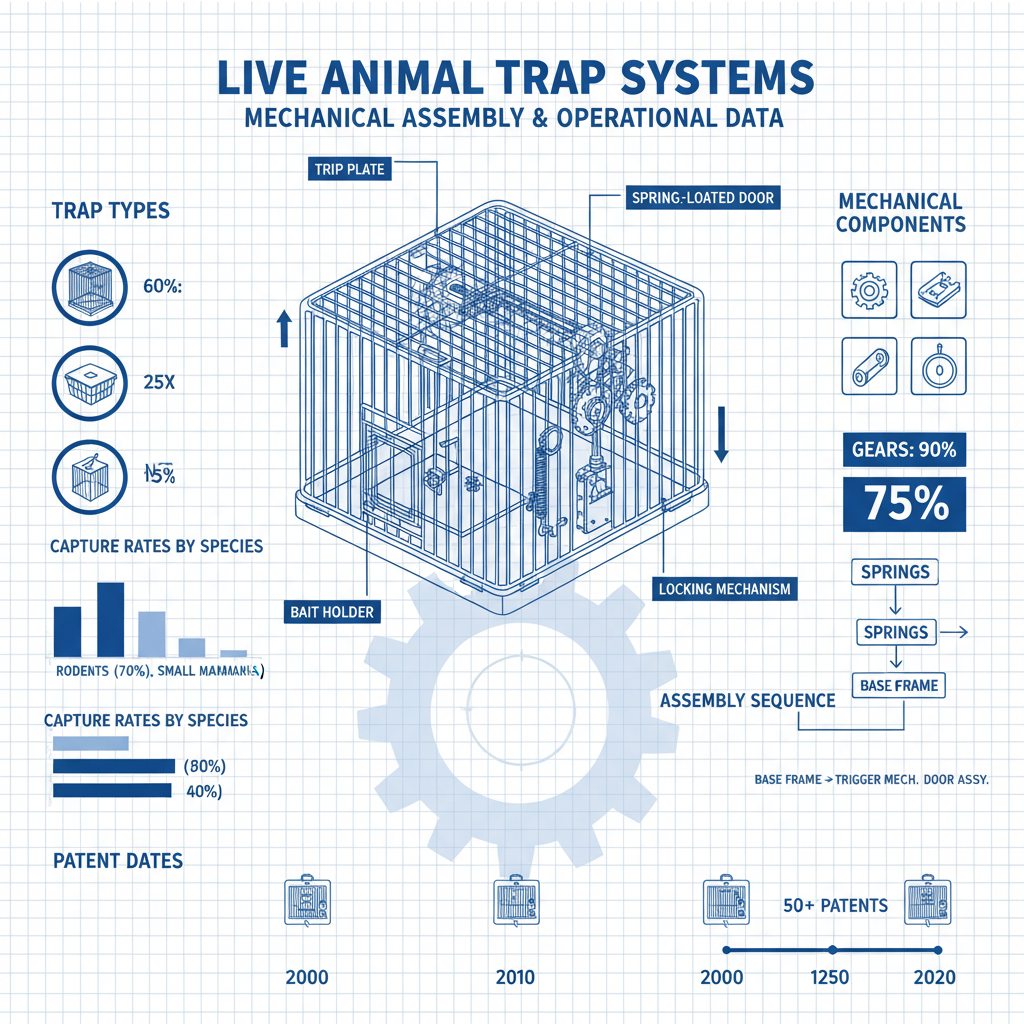
Live animal traps represent a crucial intersection of wildlife management, public safety, and humane animal control. These devices, ranging from simple box traps to sophisticated electronic systems, are utilized globally to safely capture animals for relocation, research, or control of populations. The understanding and responsible implementation of live animal trap technologies are increasingly important in a world grappling with human-wildlife conflict and the conservation of biodiversity.
The significance of live animal traps extends beyond immediate problem-solving. They play a vital role in disease surveillance, allowing for the monitoring and control of zoonotic diseases. Furthermore, they’re essential for conservation efforts, facilitating species recovery programs and the study of animal behavior. Effective live animal trapping strategies require knowledge of animal behavior, trap design, and ethical considerations.
Investing in and refining live animal trap technology and its application yields substantial benefits. From protecting agricultural yields to mitigating public health risks and enhancing conservation, these tools empower communities and researchers to manage animal populations effectively and humanely. Continued innovation in this field is key to addressing evolving challenges.
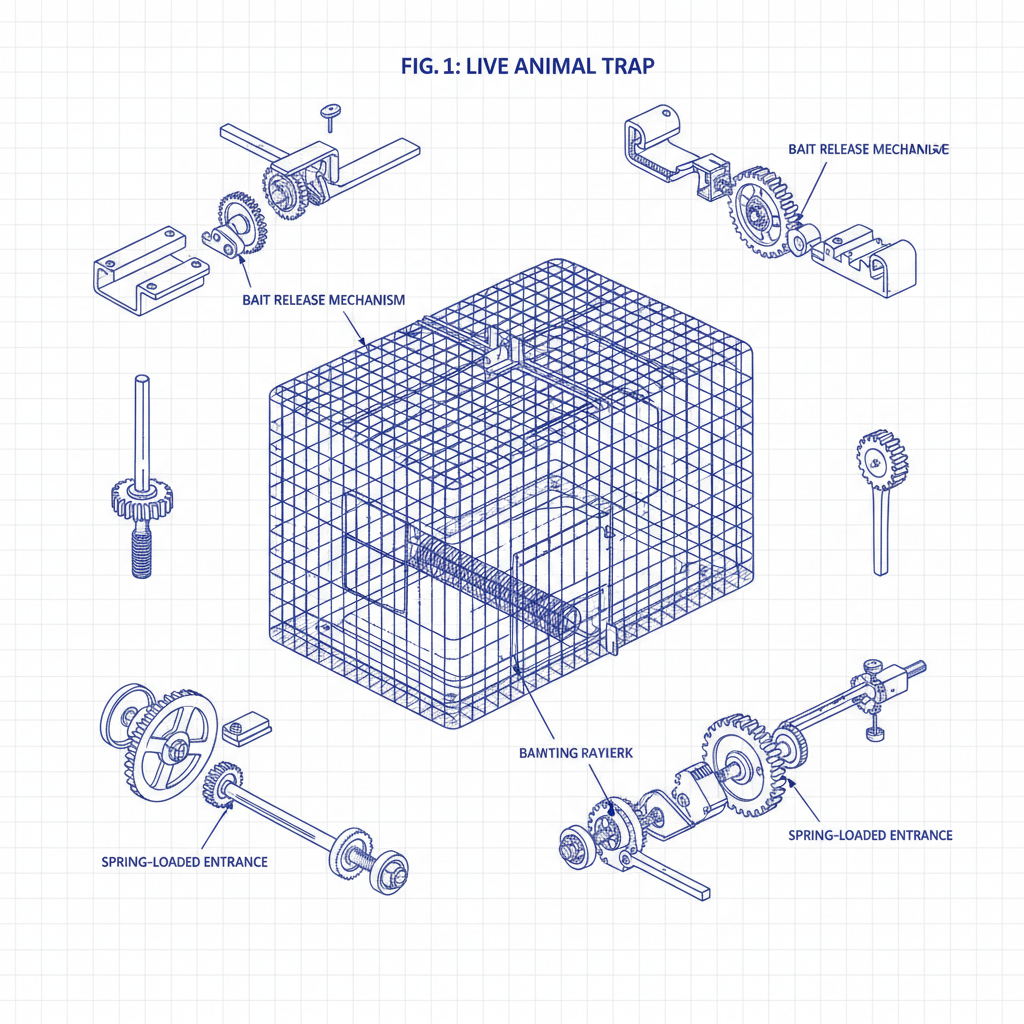
The Global Significance of live animal traps
Globally, the need for effective and humane animal control methods is increasing. According to the UN Environment Programme, human-wildlife conflict is on the rise, impacting both biodiversity and human livelihoods. The World Health Organization also highlights the critical role of wildlife surveillance in preventing the spread of zoonotic diseases. Live animal traps offer a non-lethal solution, crucial for both conservation and public health.
The demand for live animal traps is driven by a diverse range of factors, including urbanization, agricultural expansion, and climate change. As human populations encroach on wildlife habitats, the frequency of encounters increases, necessitating strategies for managing animal populations and mitigating potential conflicts. The ISO standards for animal welfare increasingly influence the design and use of trapping equipment, promoting humane practices.
Defining Live Animal Traps
Live animal traps, at their core, are devices designed to capture animals without causing them harm. Unlike lethal traps, live traps aim to contain the animal, allowing for subsequent relocation, research, or other interventions. They employ a variety of mechanisms, including door-based designs, net systems, and cage traps, each tailored to specific animal species and environments.
The connection to modern industry lies in the increasing sophistication of trap designs, incorporating materials like high-strength steel, durable plastics, and even remote monitoring technology. Humanitarian needs are addressed by ensuring animal welfare throughout the capture and handling process. Ethical considerations, such as minimizing stress and providing appropriate shelter within the trap, are paramount.
Modern live animal traps aren’t merely about capture; they're about a responsible approach to coexistence. live animal traps can be adapted for a broad range of species and environments, making them a versatile tool for wildlife management professionals and concerned citizens alike.
Core Components of Effective Live Animal Traps
Several core components dictate the effectiveness of a live animal trap. Firstly, Durability is essential. Traps must withstand environmental conditions, animal resistance, and repeated use without compromising their functionality. Secondly, Selectivity is crucial – a good trap targets specific species while minimizing the capture of non-target animals.
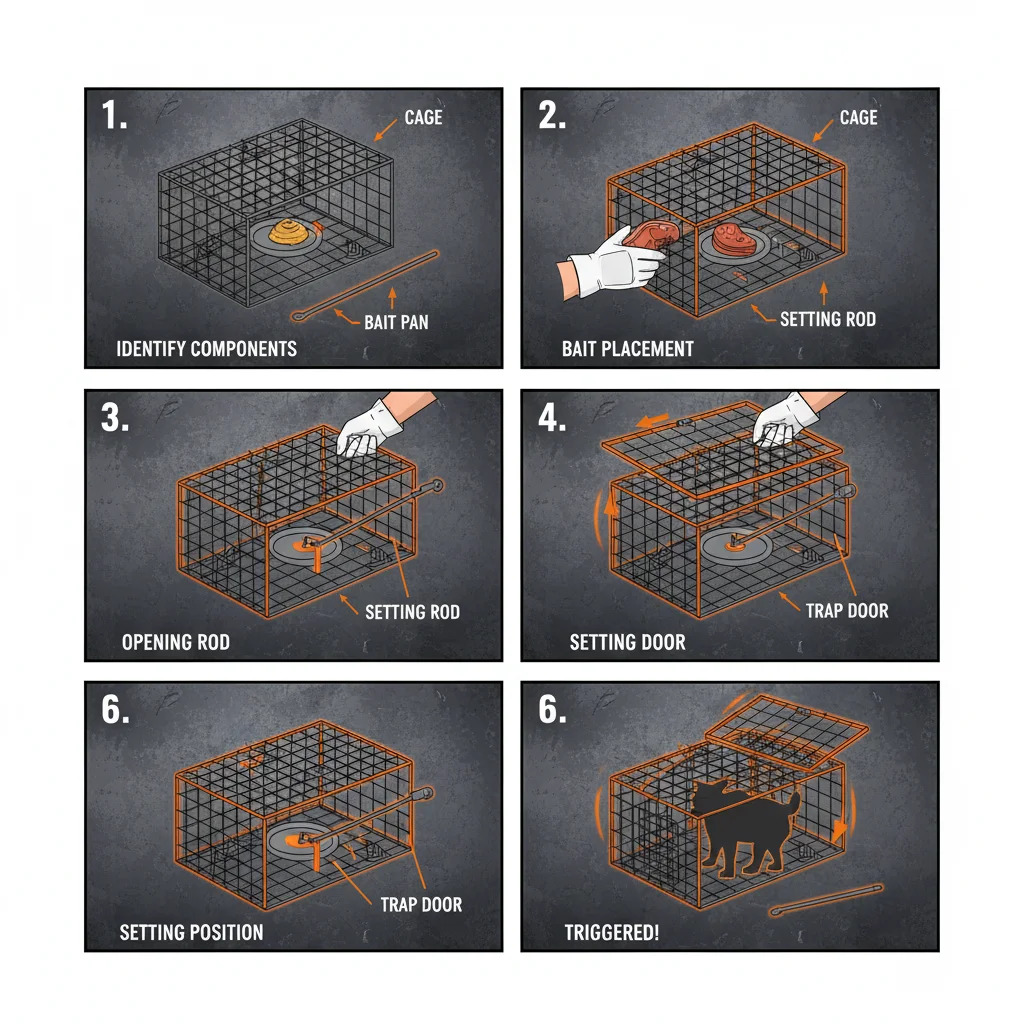
Thirdly, Ease of Use is paramount for both professionals and non-professionals. Simple setting mechanisms, clear instructions, and safe handling features contribute to successful and ethical trapping. Finally, Safety for the Animal is arguably the most important aspect, requiring appropriate ventilation, protection from the elements, and minimizing stress during capture and transport.
These aspects directly translate into practical applications. A durable and selective trap reduces the need for frequent repairs and minimizes bycatch, saving time and resources. Ease of use ensures efficient deployment and reduces the risk of improper handling, while animal safety maintains ethical standards and supports successful relocation or research efforts.
Practical Applications and Use Cases
Live animal traps find application in a wide range of settings. In urban environments, they are used to manage nuisance animals like raccoons, opossums, and skunks, preventing damage to property and reducing the risk of disease transmission. In agricultural settings, traps are employed to protect crops from deer, rabbits, and other herbivores.
For wildlife research, live traps enable scientists to capture and study animals in their natural habitat without causing harm. This allows for data collection on population dynamics, behavior, and health. In post-disaster relief operations, live traps can be used to safely remove animals from affected areas, minimizing human-wildlife conflict during recovery efforts.
Organizations like the World Wildlife Fund (WWF) utilize live traps in their conservation programs, focusing on species recovery and habitat restoration. In remote industrial zones, live trapping may be employed to relocate animals away from hazardous areas, ensuring both animal safety and operational efficiency.
Live Animal Trap Effectiveness by Method
The Advantages and Long-Term Value
The advantages of utilizing live animal traps are multifaceted. Firstly, the cost-effectiveness is significant. Compared to lethal control methods, which often require ongoing resources for carcass removal and disease monitoring, live trapping can be a one-time investment. Secondly, there’s a considerable sustainability benefit, as it promotes wildlife conservation and reduces the need for harmful interventions.
The social impact is also noteworthy. Humane animal control fosters positive public perception and reduces concerns about animal welfare. The reliability of live traps, when properly maintained and deployed, ensures consistent results, providing peace of mind to communities and researchers. The long-term value lies in building a harmonious relationship between humans and wildlife.
Future Trends and Innovations
The future of live animal traps is being shaped by several emerging trends. One key area is the development of smart traps incorporating remote monitoring, automated data collection, and species recognition technology. These innovations allow for real-time tracking of trap activity and improved targeting.
Another trend is the integration of sustainable materials and eco-friendly designs, reducing the environmental impact of trap construction and deployment. Furthermore, advancements in animal behavior research are leading to the development of more effective and humane trapping strategies.
Challenges and Solutions in Live Animal Trapping
Despite their benefits, live animal trapping faces certain challenges. Bycatch, the unintended capture of non-target species, remains a concern. Habitat fragmentation and climate change can also affect trap effectiveness. Furthermore, ethical considerations surrounding animal welfare and relocation require careful attention.
Solutions include developing more selective trap designs, implementing rigorous monitoring programs, and adhering to best practices for animal handling and relocation. Investing in research to understand animal behavior and refine trapping strategies is also essential. Education and training for professionals and the public are critical for promoting responsible trapping practices. live animal traps are constantly being refined to mitigate these challenges.
Collaborative efforts between researchers, wildlife managers, and conservation organizations are crucial for overcoming these challenges and ensuring the continued effectiveness and ethical application of live animal trapping.
Key Considerations for Successful Live Animal Trap Deployment
| Target Species |
Trap Type |
Bait Effectiveness (1-10) |
Relocation Distance (km) |
| Raccoon |
Box Trap |
9 |
5-10 |
| Opossum |
Cage Trap |
7 |
3-5 |
| Skunk |
Box Trap (with scent barrier) |
6 |
2-4 |
| Deer |
Drop Net |
5 |
10-20 |
| Rabbit |
Funnel Trap |
8 |
1-3 |
| Squirrel |
Live Cage Trap |
7 |
0.5-2 |
FAQS
Ethical considerations are paramount when employing live animal traps. This includes minimizing stress to the animal during capture and handling, ensuring adequate provision of food, water, and shelter within the trap, and adhering to local regulations regarding relocation. Frequent trap checks (ideally twice daily) are crucial to prevent prolonged suffering. Avoid traps that cause injury or unnecessary discomfort, and prioritize humane relocation practices.
Selecting the appropriate trap depends on the species’ size, behavior, and habitat. Box traps are versatile for many mammals, while funnel traps are effective for smaller rodents. Drop nets are suitable for larger animals in open areas. Consider the animal's natural behaviors – their entry points, food preferences, and common travel routes – when positioning the trap. Consult local wildlife experts for species-specific recommendations.
The ideal bait varies depending on the target species. Raccoons and opossums are attracted to sweet and oily foods like marshmallows and peanut butter. Rabbits favor vegetables like carrots and lettuce. Deer respond well to apples and corn. Avoid using spoiled or contaminated bait, and always consider potential impacts on non-target species. Using scent attractants in addition to bait can enhance effectiveness.
Relocation distance is crucial. Relocating an animal too close to its original territory may result in it returning. However, relocating it too far may cause it to struggle to adapt to a new environment. A distance of 5-10 kilometers is generally recommended for many mammals, but this can vary based on the species and local habitat. Consider the availability of food, water, and shelter in the relocation area.
The legality of using live animal traps varies significantly depending on local and regional regulations. Some areas may require permits, restrict trap types, or prohibit relocation altogether. It is crucial to check with your local wildlife agency or animal control department before deploying any traps. Ignorance of the law is not a valid defense.
Frequent trap checks are essential for ensuring animal welfare. Ideally, traps should be checked at least twice daily – once in the morning and once in the evening. This minimizes the time an animal spends confined and reduces stress. In extreme weather conditions (heat or cold), checks should be even more frequent. Trapped animals require prompt attention to avoid suffering.
Conclusion
In conclusion, live animal traps represent a valuable and versatile tool for managing wildlife populations, protecting public safety, and promoting conservation. Their ethical application requires a thorough understanding of animal behavior, responsible trap deployment, and adherence to local regulations. The benefits extend beyond immediate problem-solving, contributing to a more sustainable and harmonious relationship between humans and wildlife.
Looking ahead, continued innovation in trap design, materials, and technology will further enhance their effectiveness and humane qualities. Investing in research, education, and collaborative efforts is crucial for addressing the evolving challenges of human-wildlife conflict. To learn more about effective and responsible live animal trapping solutions, visit our website: www.hbarcherfish.com