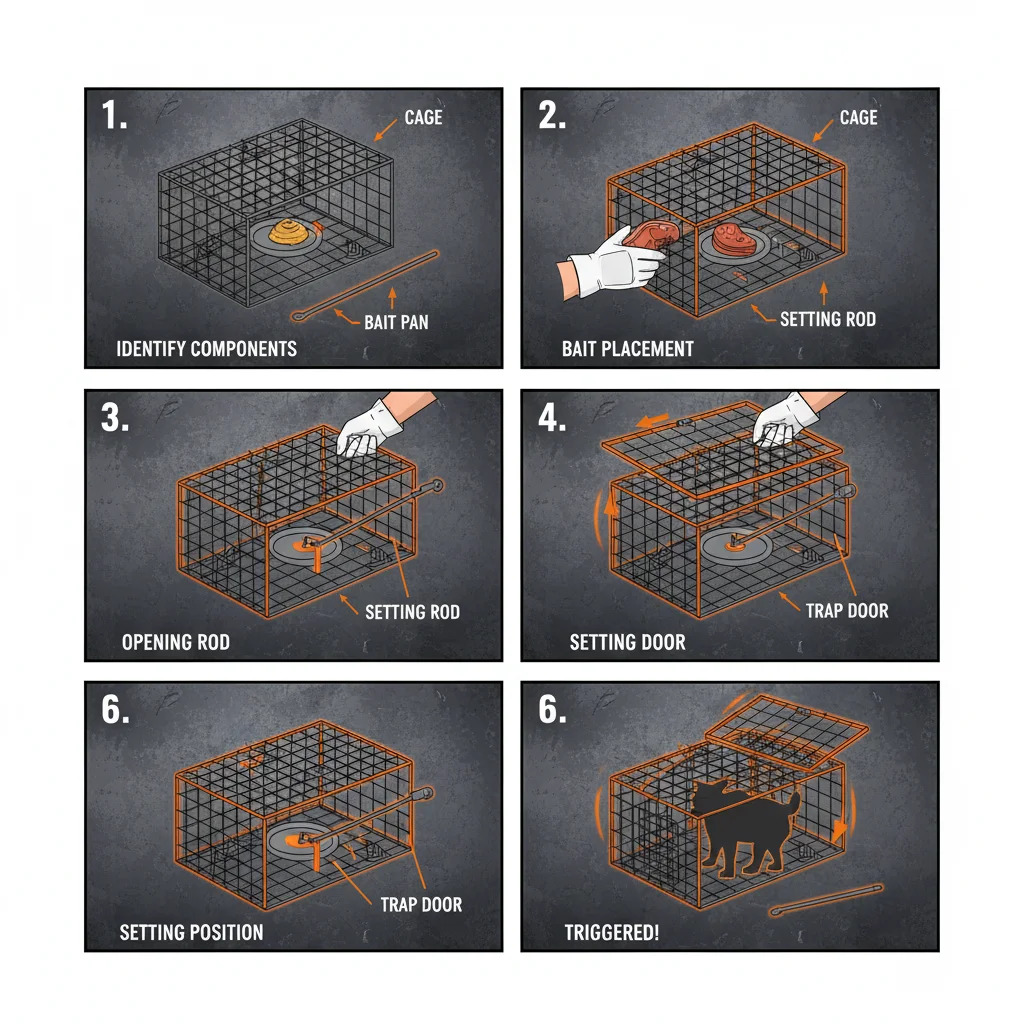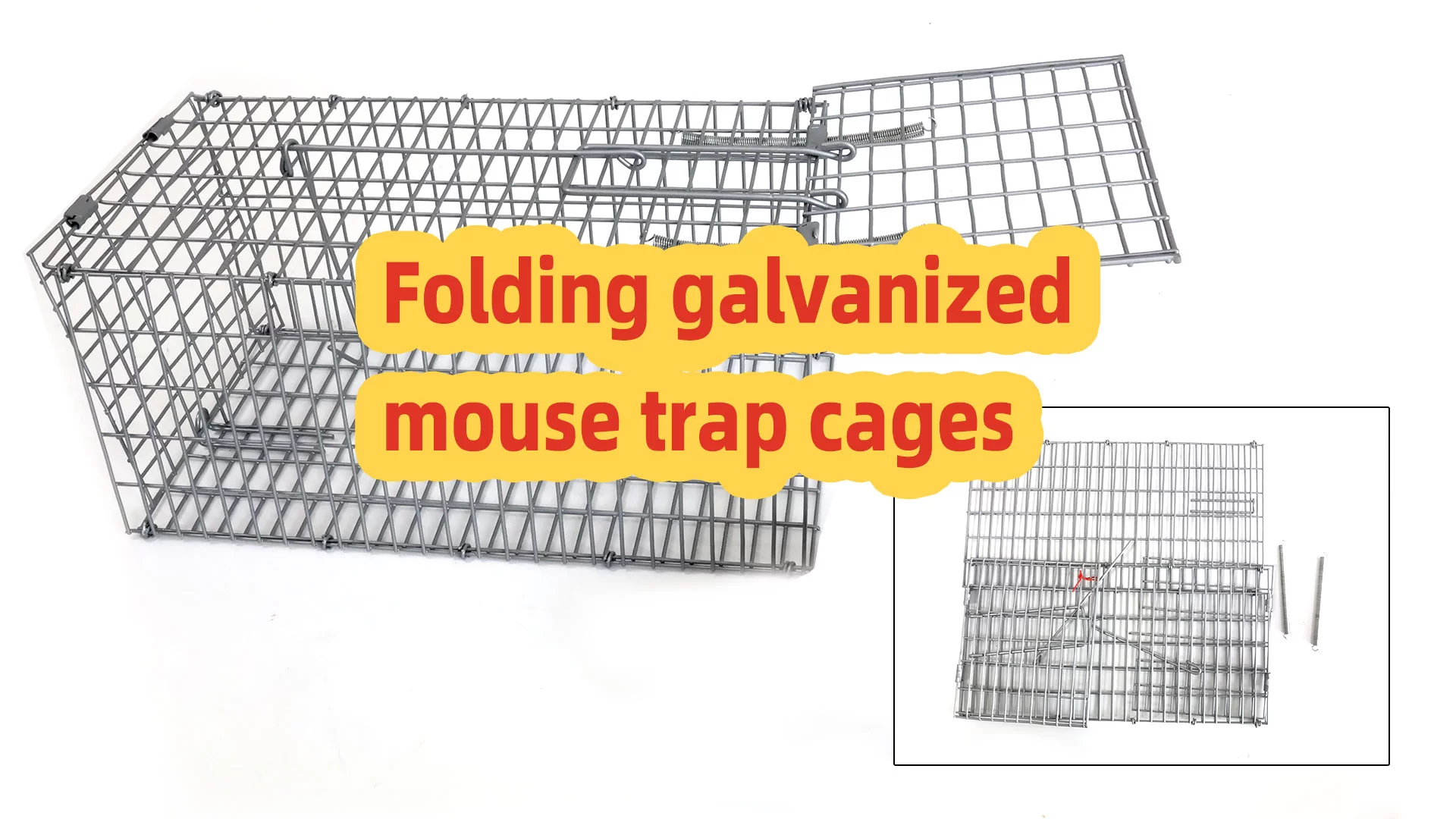
duke live traps represent a critical solution in wildlife management, pest control, and ecological research. These humane devices allow for the capture and relocation of animals without causing undue harm, contributing to both animal welfare and ecosystem health. Understanding their design, applications, and best practices is paramount for professionals and enthusiasts alike seeking effective and ethical animal management strategies. The increasing need for non-lethal solutions is driving innovation and wider adoption of duke live traps globally. The global demand for effective animal control solutions is growing, fueled by factors like urbanization, habitat loss, and concerns about public health and safety. Traditional methods often prove ineffective or raise ethical concerns, leading to a greater emphasis on humane capture techniques. duke live traps offer a viable alternative, aligning with evolving societal values and increasingly stringent regulations surrounding animal welfare. Their versatility and adaptability make them suitable for diverse environments and target species.
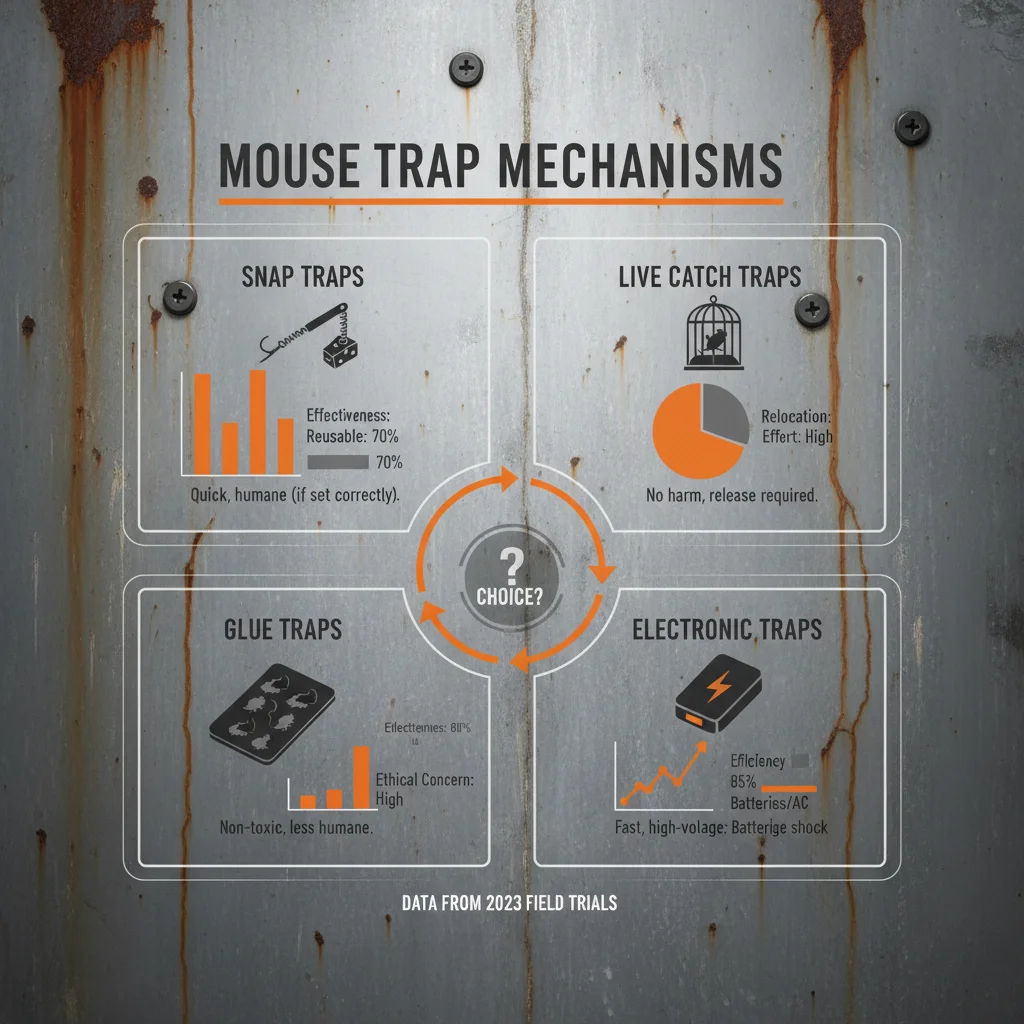
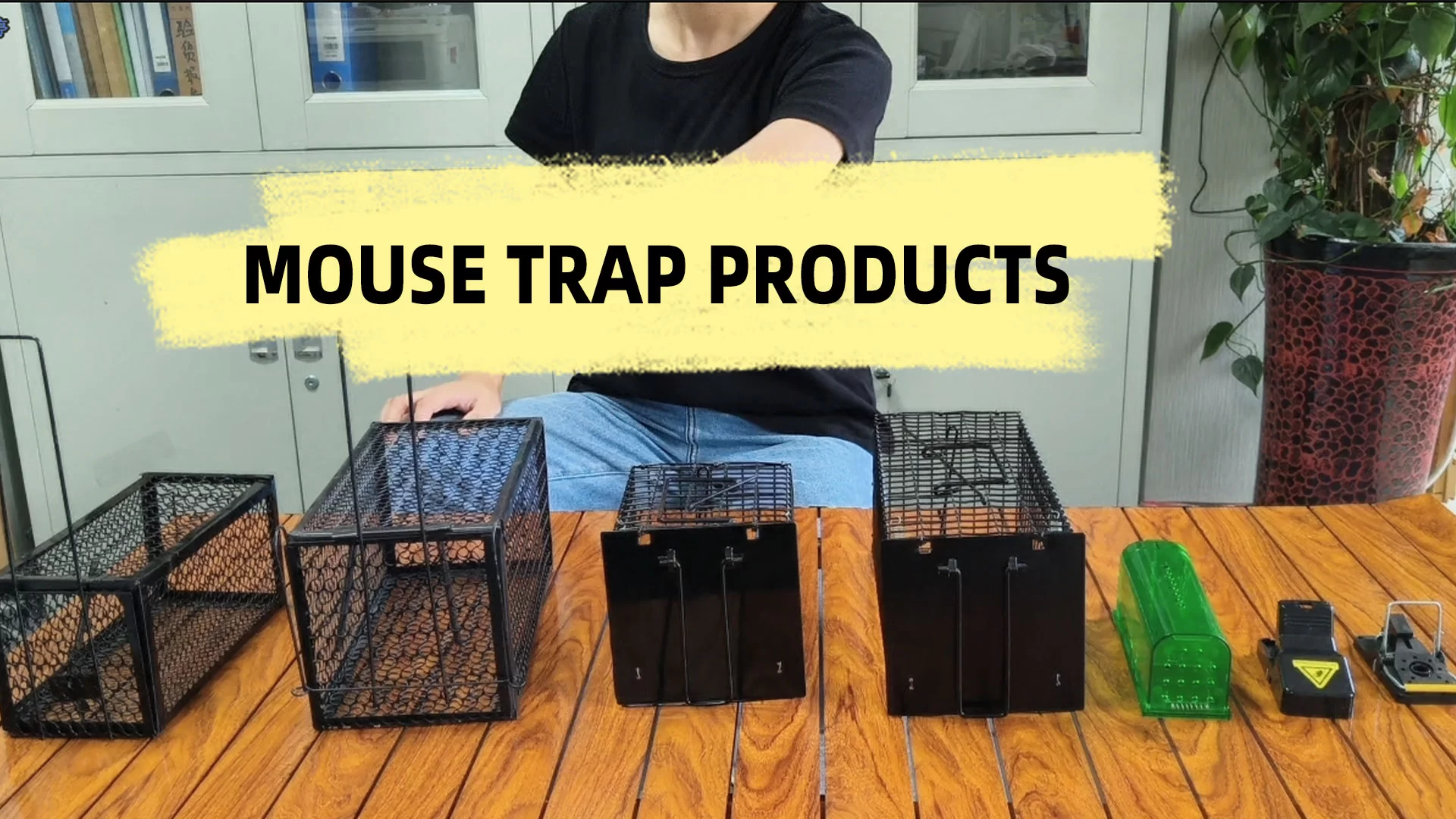
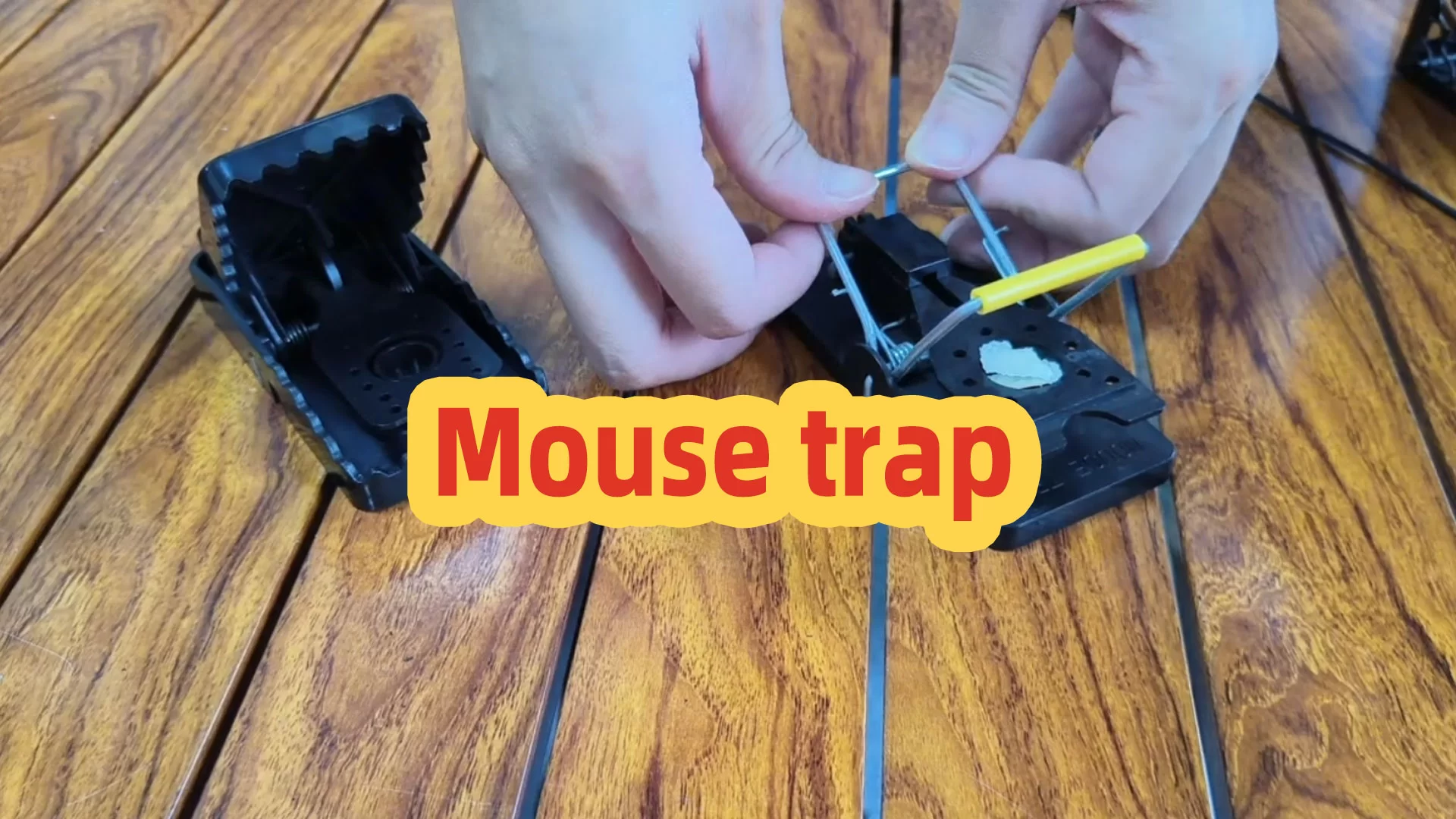
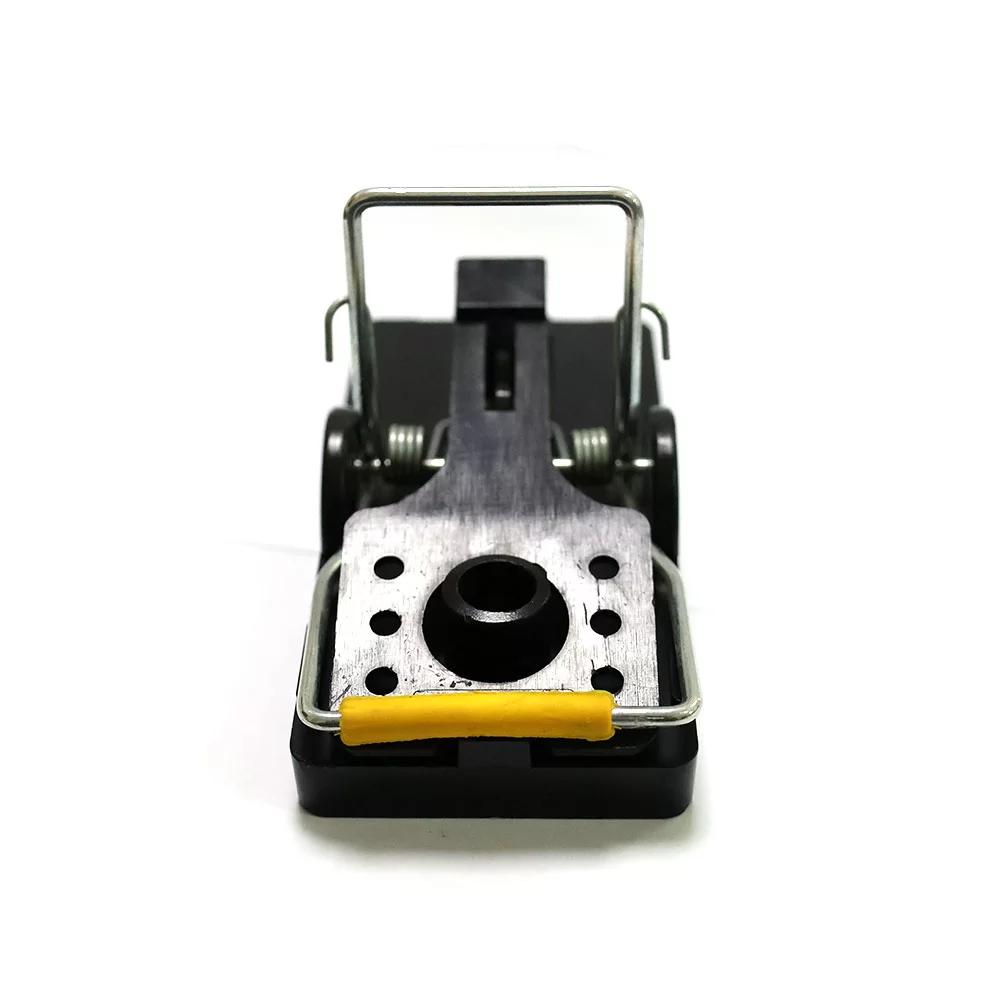
Understanding the diverse types of mouse traps is crucial in modern pest control, extending beyond simple home defense to impacting public health, agriculture, and food security globally. The proliferation of rodent populations can lead to significant economic losses through crop damage, contamination of food supplies, and the spread of diseases. Effective mouse control isn't just about eliminating a nuisance; it’s a vital component of preventative public health measures and sustainable agricultural practices. The global pest control market is a multi-billion dollar industry, with a substantial portion dedicated to rodent control. According to recent market analyses, the demand for innovative and humane trapping solutions is steadily increasing, driven by consumer awareness and evolving ethical considerations. The United Nations Food and Agriculture Organization (FAO) emphasizes the importance of integrated pest management strategies, of which effective trapping is a core component, to minimize reliance on harmful pesticides.