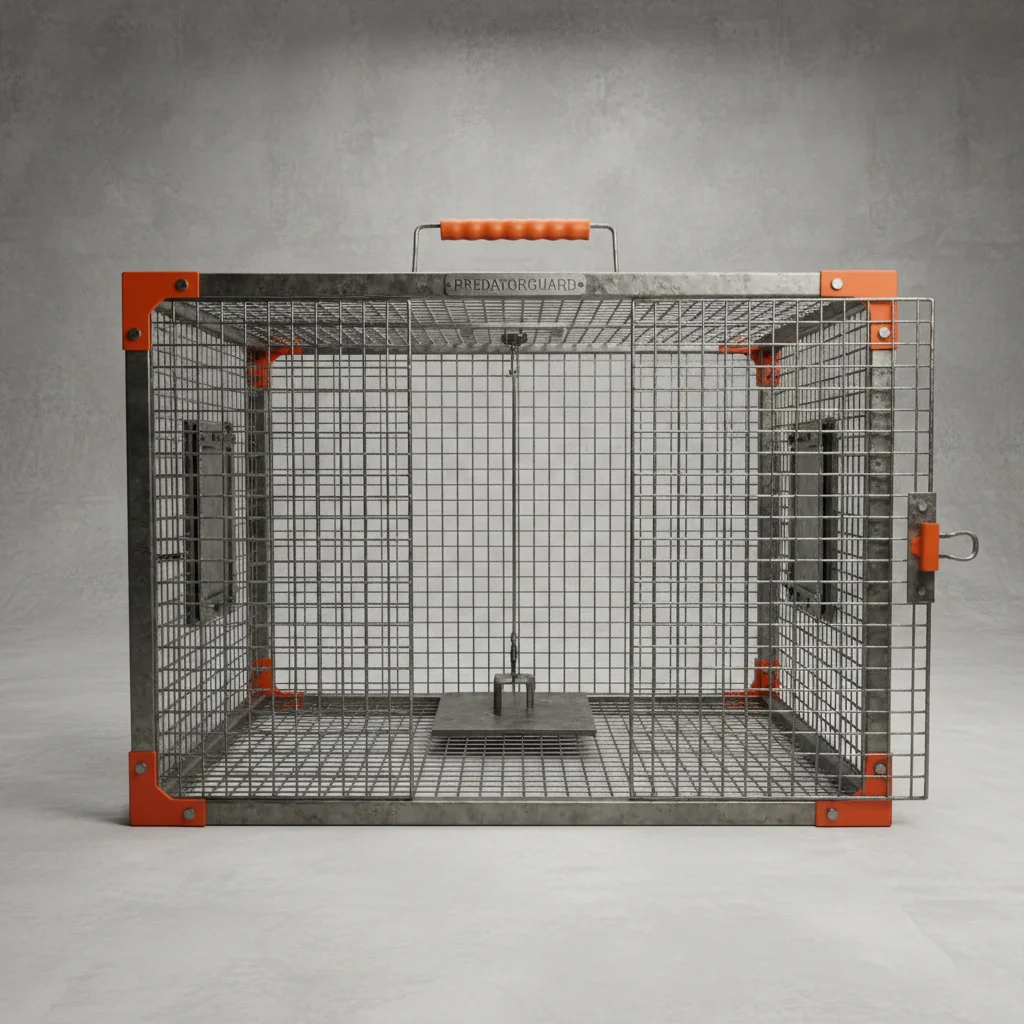
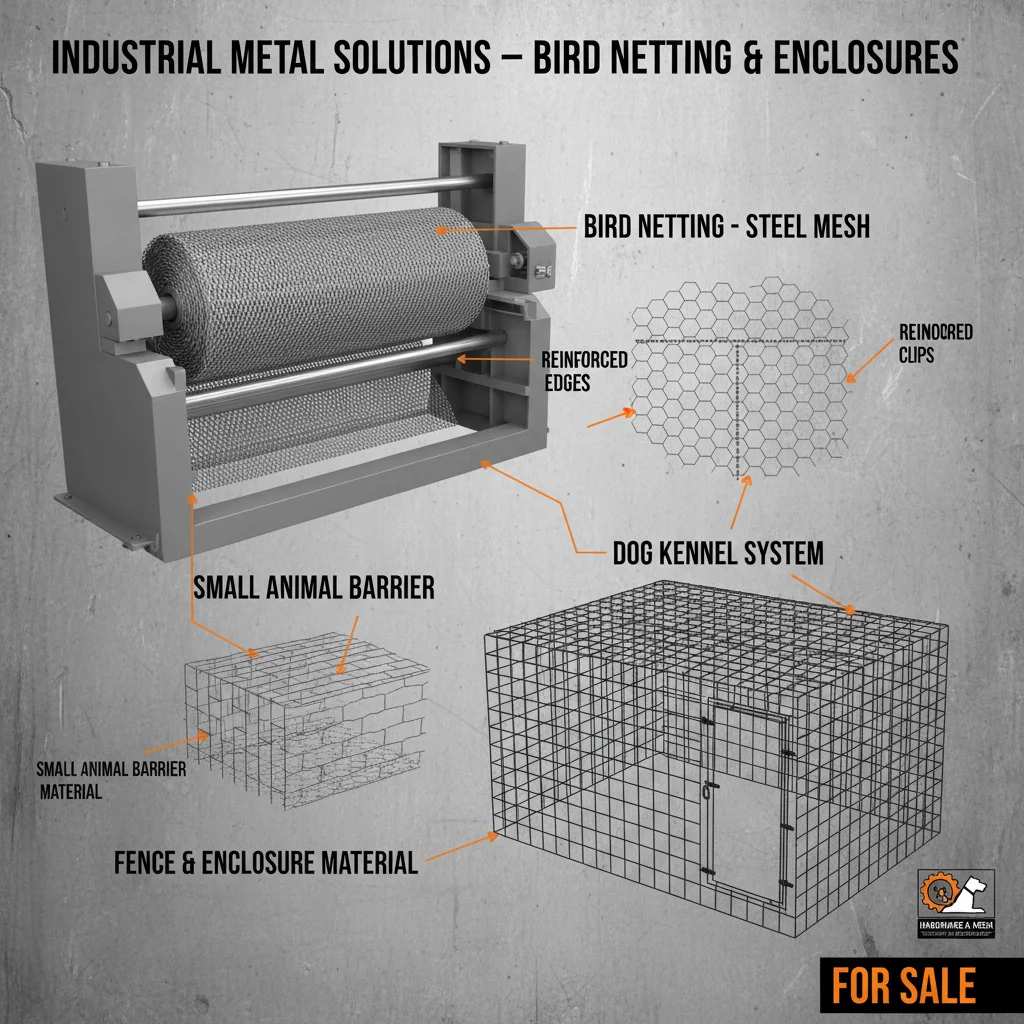
Outdoor mice traps are becoming increasingly vital in managing rodent populations around homes and properties. These traps offer a humane and effective alternative to traditional methods, addressing concerns about poison exposure and the ethical treatment of animals. Understanding the nuances of outdoor mice traps – from their design and placement to their effectiveness in different environments – is crucial for homeowners, pest control professionals, and anyone seeking a sustainable solution to rodent control. The global need for effective pest management solutions continues to rise, driven by factors like urbanization, climate change, and increasing awareness of public health risks associated with rodent infestations.
The growing demand for outdoor mice traps is directly linked to a shift towards more environmentally friendly pest control practices. Consumers are actively seeking non-toxic solutions that minimize harm to pets, wildlife, and the ecosystem. This trend has fueled innovation in trap design, leading to more sophisticated and effective models. The development and widespread adoption of these traps reflect a broader movement towards responsible pest management strategies.
Furthermore, the prevalence of DIY pest control, combined with readily available online resources and product options, has contributed to the increased use of outdoor mice traps. The convenience, affordability, and user-friendliness of these traps make them an appealing choice for a wide range of individuals. This growing market demands a deeper understanding of available technologies and best practices for effective and ethical rodent control.
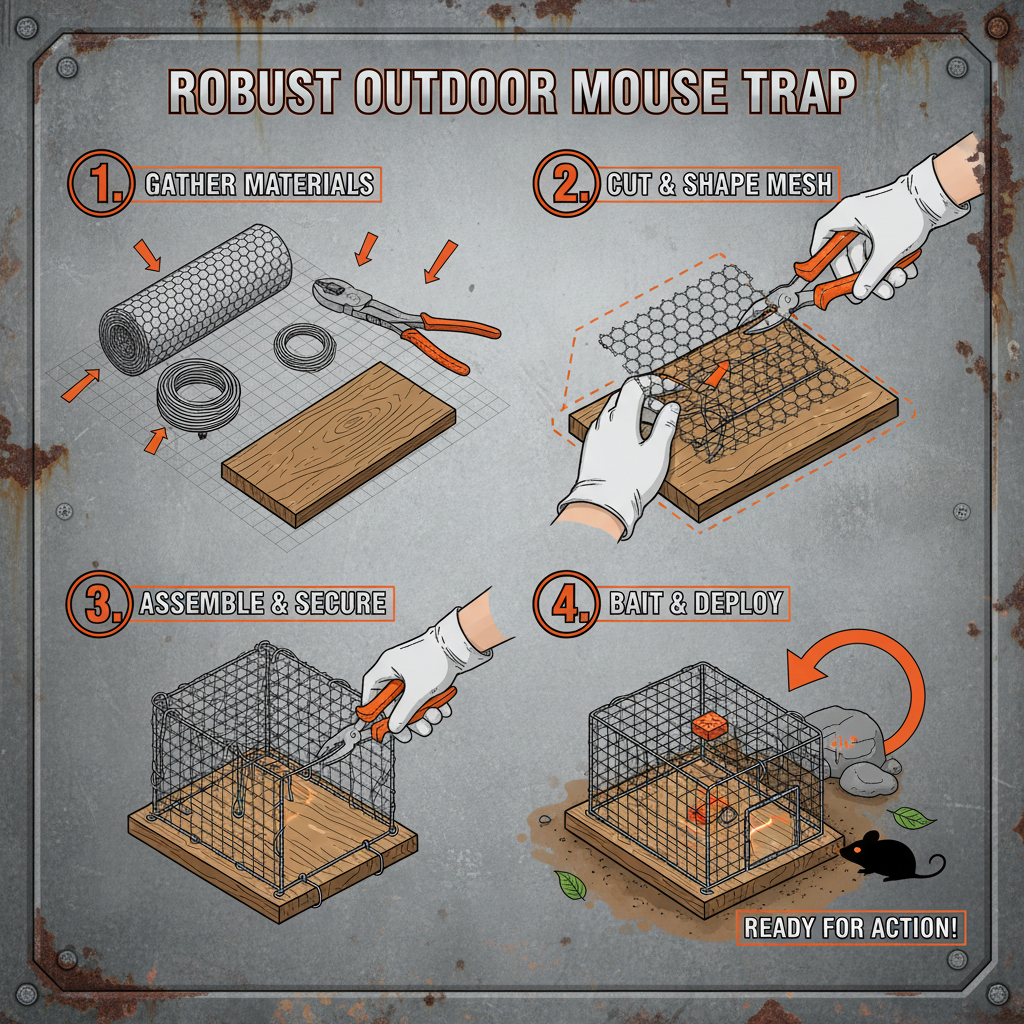
Introduction to Outdoor Mice Traps
Outdoor mice traps represent a significant shift in rodent control strategies, moving away from harmful chemicals and towards more humane and ecologically sound solutions. These traps are designed to capture mice outdoors, preventing them from entering homes and causing damage. They are essential tools in protecting gardens, sheds, and other outdoor structures from rodent infestations.
The effectiveness of outdoor mice traps relies on strategic placement, understanding mouse behavior, and choosing the right trap type for the specific environment. From simple snap traps to more advanced live-capture models, the options available cater to diverse needs and preferences. Selecting the appropriate trap is crucial for maximizing success and minimizing the impact on non-target species.
Defining Outdoor Mice Traps
An outdoor mice trap is a device specifically designed to capture mice in outdoor environments. Unlike indoor traps, these are often built to withstand the elements – rain, sun, and varying temperatures. They come in various forms, including snap traps, glue traps, live-capture traps, and electronic traps, each with its own mechanisms and level of effectiveness. The primary goal is to control mouse populations without resorting to poisons, which can have unintended consequences for other animals and the environment.
The connection to modern industry lies in the growing demand for Integrated Pest Management (IPM) solutions. IPM prioritizes prevention, monitoring, and targeted control methods, reducing reliance on broad-spectrum pesticides. Outdoor mice traps are a cornerstone of many IPM strategies, offering a practical and sustainable approach to rodent control.
Moreover, these traps address humanitarian needs by reducing the spread of diseases carried by mice, protecting food supplies from contamination, and minimizing property damage. By providing a safer and more humane alternative to traditional methods, outdoor mice traps contribute to public health and wellbeing.
Core Components and Considerations
Several key factors contribute to the effectiveness and suitability of outdoor mice traps. First, Durability is paramount. Outdoor traps must be constructed from weather-resistant materials to withstand exposure to the elements and ensure longevity. Materials like galvanized steel or heavy-duty plastics are commonly used.
Next, Bait Attractiveness plays a critical role. Mice are attracted to different types of bait, including peanut butter, seeds, and chocolate. The choice of bait can influence the success rate of the trap. Properly securing the bait to ensure the mouse must fully enter the trap is also important. Placement is another vital factor. Traps should be positioned along mouse runways, near entry points, and in areas where mouse activity is evident.
Trap Type determines the method of capture. Snap traps offer instant kill, while live-capture traps allow for relocation. Ease of Use is also important, especially for homeowners. Traps should be easy to set, clean, and maintain. Finally, Safety is crucial, especially in households with children and pets. Traps should be designed to minimize the risk of accidental injury.
Global Applications of Outdoor Mice Traps
Outdoor mice traps find application in a diverse range of settings globally. In agricultural regions, they protect crops from rodent damage, minimizing economic losses for farmers. In residential areas, they safeguard homes from infestations and the associated health risks. Across the world, outdoor mice traps are deployed to protect food storage facilities and prevent the spread of diseases.
For example, in post-disaster relief operations, where sanitation is compromised and rodent populations can surge, outdoor mice traps are crucial for preventing disease outbreaks. Similarly, in remote industrial zones, where food and supplies are often stored, these traps protect valuable assets from contamination. Organizations like the World Health Organization (WHO) and the Food and Agriculture Organization (FAO) advocate for IPM strategies, including the use of traps, as a sustainable approach to pest control.
The use of outdoor mice traps is particularly prominent in regions with temperate climates, where mouse populations tend to be higher. However, their application extends to tropical and subtropical areas as well, where rodents can pose a significant threat to public health and agriculture.
Outdoor Mice Trap Effectiveness by Method
Advantages and Long-Term Value
The advantages of utilizing outdoor mice traps are numerous. First, they offer a cost-effective solution compared to ongoing pest control services or the expenses associated with rodent-related damage. Second, they promote sustainability by reducing reliance on harmful chemicals that can pollute the environment. They provide a humane way of dealing with a pest problem, reducing animal suffering.
From a social impact perspective, reducing rodent populations improves public health, protects food security, and enhances the quality of life. The reliability of well-maintained traps ensures consistent protection against infestations. The peace of mind that comes with knowing your property is protected contributes to a sense of security and wellbeing. These benefits, both tangible and intangible, add significant long-term value.
Future Trends and Innovations
The future of outdoor mice traps is poised for significant advancements. We can anticipate greater integration of smart technology, with traps equipped with sensors and connectivity features for remote monitoring and data analysis. Automation will also play a key role, with traps capable of automatically resetting or sending alerts when a capture occurs.
Furthermore, research into biomimicry – designing traps based on natural mechanisms – could lead to more effective and humane solutions. The development of biodegradable trap materials will address sustainability concerns, reducing plastic waste and minimizing environmental impact. The rise of digital pest management platforms will also offer more comprehensive monitoring and control solutions, incorporating data from traps and other sources.
Challenges and Solutions in Outdoor Mice Trap Use
Despite their benefits, using outdoor mice traps presents certain challenges. Non-target captures, where unintended animals get caught, are a common concern. Solutions include using selective trap designs and strategically placing traps to minimize the risk. Bait spoilage and the need for frequent replenishment can be inconvenient. Using weatherproof bait stations and selecting durable bait options can mitigate this issue.
Another challenge is trap shyness, where mice become wary of traps after encountering them. Rotating trap locations and using different trap types can overcome this. Weather-related damage to traps is also a consideration; choosing durable materials and providing adequate shelter for traps can help. Educating users about proper trap placement, baiting techniques, and maintenance is essential for maximizing effectiveness.
Summary of Challenges and Solutions for Outdoor Mice Trap Usage
| Challenge |
Impact Level (1-5) |
Solution |
Implementation Cost (1-5) |
| Non-Target Captures |
3 |
Selective Trap Design, Strategic Placement |
2 |
| Bait Spoilage |
4 |
Weatherproof Bait Stations, Durable Bait |
1 |
| Trap Shyness |
3 |
Rotate Locations, Different Trap Types |
1 |
| Weather Damage |
2 |
Durable Materials, Protective Shelter |
2 |
| Incorrect Placement |
4 |
Education on Mouse Behavior, Trail Identification |
1 |
| Maintenance Requirements |
2 |
Regular Cleaning, Inspection, and Resetting |
1 |
FAQS
The "most effective" trap depends on the situation. Electronic traps offer quick, humane kills and are often highly effective, but can be more expensive. Snap traps are cost-effective but require careful placement. Live-capture traps are best for those who want to relocate mice, but require regular checking and a suitable release location. Consider the environment, budget, and your comfort level when choosing.
Check traps at least once a day, ideally twice. This is crucial for both humane reasons (to minimize suffering if an animal is caught) and practical reasons (to remove the carcass or release a live mouse). Regular checking also allows you to replenish bait and ensure the trap is functioning correctly.
While generally safer than poisons, outdoor mice traps still pose a risk. Place traps in areas inaccessible to children and pets, or use tamper-resistant models. Avoid using glue traps, as they can inadvertently trap non-target animals. Always read and follow the manufacturer’s safety instructions carefully.
Peanut butter is a classic and effective bait. Other options include seeds, chocolate, nuts, and even small pieces of bacon. Secure the bait firmly to the trap to ensure the mouse must fully enter to reach it. Experiment with different baits to see what works best in your area.
Place traps along mouse runways – these are often found near walls, fences, and other structures. Look for droppings or gnaw marks to identify areas of activity. Position traps near entry points, such as holes or cracks in foundations. Avoid placing traps in open areas, as mice prefer to travel along cover.
Seal up any entry points to prevent new mice from entering. Eliminate food sources by storing food in airtight containers and keeping outdoor areas clean. Remove clutter that provides shelter for mice. Consider using repellents, but remember that these are often less effective than preventative measures.
Conclusion
Outdoor mice traps represent a vital component of modern, sustainable pest management. They offer a humane, effective, and cost-efficient alternative to traditional methods, addressing growing concerns about environmental impact and public health. Understanding the core components, global applications, and future trends associated with these traps empowers individuals and professionals alike to implement effective rodent control strategies.
Looking ahead, continued innovation in trap design, materials, and technology will further enhance their effectiveness and sustainability. Adopting an integrated pest management approach, combining traps with preventative measures and responsible waste management, is key to long-term success. For effective outdoor mice traps solutions, visit our website at outdoor mice traps.