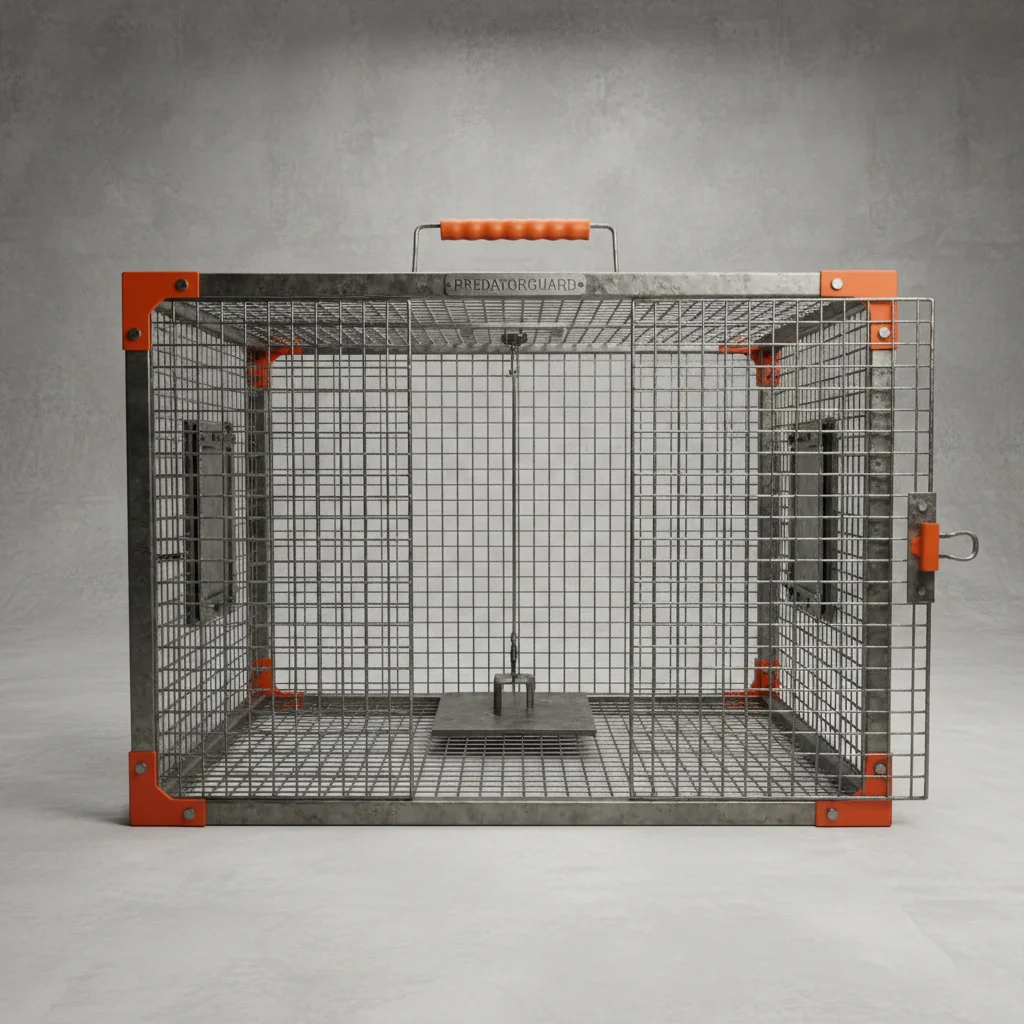
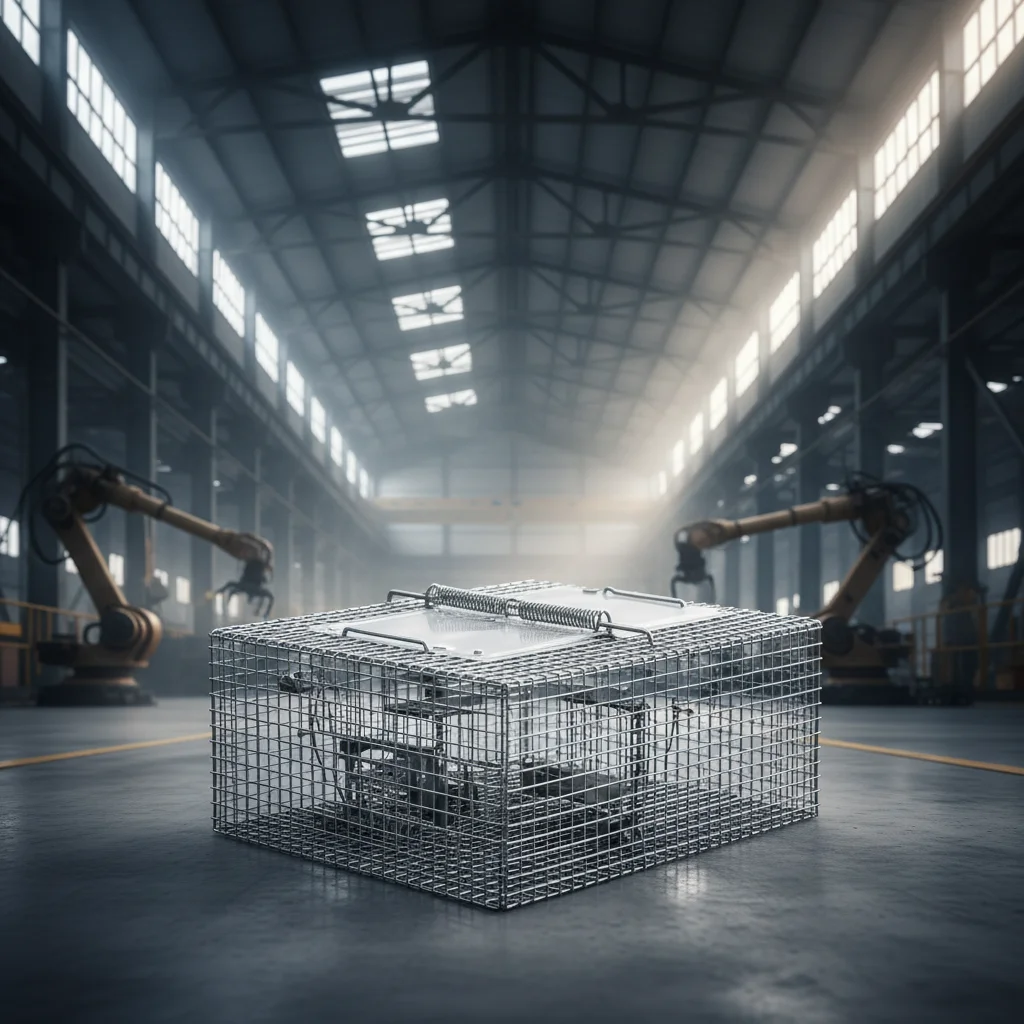
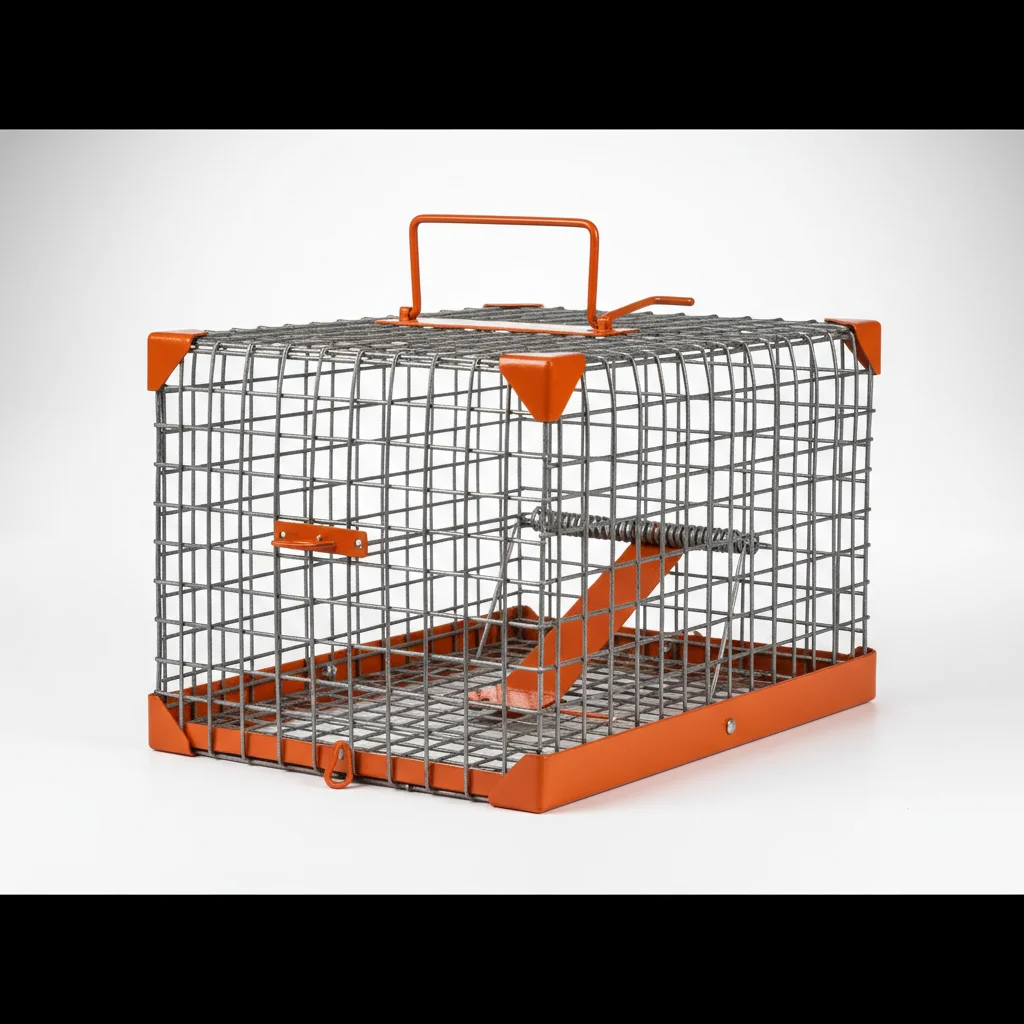
Honestly, the whole industry's buzzing about prefabrication right now. Everything's gotta be faster, cheaper, and, you know, less messy. Been seeing a lot of modular stuff, even for these little mouse trap manufacturers. Used to be everything was bespoke, made to order. Now they want it in pallets, ready to bolt together. It's a headache sometimes, but it's the way things are going. Makes sourcing materials a little easier, at least.
Have you noticed how everyone underestimates the importance of the little things? Like, the threads on those bolts. You give a design to a manufacturer, and they'll go with the cheapest option. Later... forget it, I won't mention it. Then you're on site, trying to tighten something, and the bolt strips. It's frustrating. And it's always the seemingly insignificant details that cause the biggest delays.
We’re mostly using galvanized steel for the frames. Feels solid, smells... well, like steel. Bit oily sometimes, gotta wipe it down. And for the housings, high-density polyethylene (HDPE). It’s tough stuff, can take a beating. You can tell a good batch of HDPE because it's got a slight waxy feel, and doesn't crack when you bend it. I encountered this at a factory in Ningbo last time, they were using recycled plastic, and the stuff was brittle as anything.

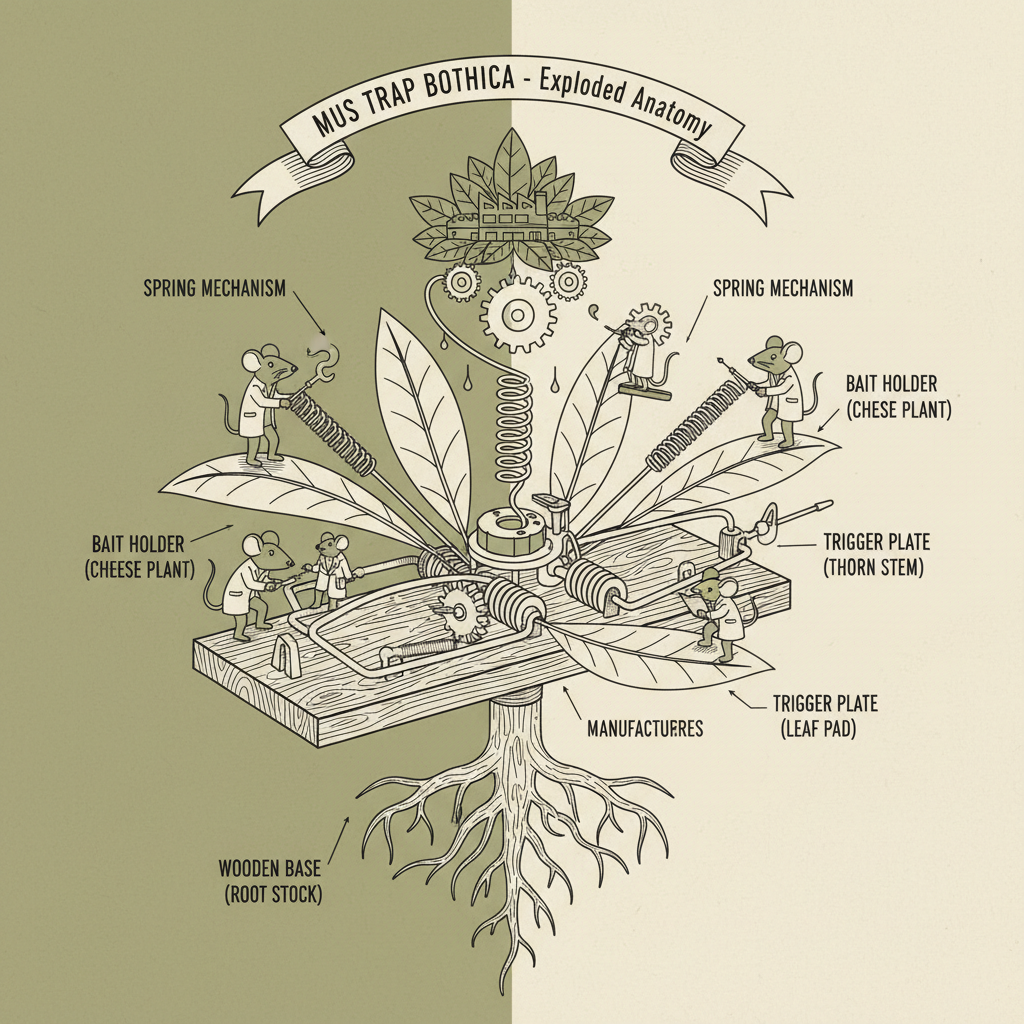
Strangely enough, a lot of designers these days haven’t spent a day on a construction site. They design these things on a computer, looking all nice and clean, but they don't think about how it's actually going to be put together. They’ll specify some fancy joint that takes three guys with specialized tools to assemble. It’s madness. We've been pushing for simpler connections, stuff a guy can do with a wrench and a bit of elbow grease.
And the focus on aesthetics over functionality...don't even get me started. I saw a design for a modular unit last year where they'd built in these decorative panels that completely blocked access to essential wiring. Absolute nightmare to maintain.
It's the supply chain, honestly. Getting reliable materials, on time, and at the right price is a constant struggle. You've got to vet your suppliers carefully and build strong relationships. And even then, things can go wrong. A late shipment of steel can bring a whole project to a standstill. It's a headache, but that’s just the way it is.
Weather's a killer. Rain, snow, extreme heat – it all slows things down. We try to schedule installations during the drier months, but that’s not always possible. We use tarps to protect the materials from the rain, and we make sure the crew has proper clothing for the conditions. And sometimes, you just have to wait it out. There's no fighting Mother Nature.
People think they’re cheap, flimsy, and ugly. And sometimes, they are! But that's usually because someone cut corners. A well-designed and well-built pre-fabricated structure can be just as durable and aesthetically pleasing as a traditional building. It’s all about the materials and the craftsmanship.
You can customize quite a bit, but there are limits. We can change the window and door configurations, add extra insulation, modify the interior layout. But major structural changes are difficult and expensive. It's easier to start with a standard design and make small tweaks than to completely redesign the thing.
Generally, lower. Because everything is pre-fabricated, there’s less opportunity for errors and defects. And the materials we use are typically very durable and require minimal maintenance. You still have to do regular inspections and repairs, but it’s usually less than you’d expect with a traditional building.
I'd say it's the advancements in building information modeling (BIM). It allows us to create detailed 3D models of the structure before we even start building. It helps us identify potential problems early on and optimize the design for efficiency and cost-effectiveness. It's a game-changer, honestly.
So, where does all this leave us? Well, prefabrication is here to stay. It's not a silver bullet, but it's a powerful tool for addressing the global housing shortage and building more sustainable infrastructure. It's not always pretty, it’s not always easy, but it’s getting better all the time. We’re learning from our mistakes and pushing the boundaries of what’s possible.
Ultimately, whether this thing works or not, the worker will know the moment he tightens the screw. If it feels solid, if it fits right, if it doesn't strip… that's when you know you've got something good. And that's what really matters. Check out our website at www.hbarcherfish.com to learn more.